

The holiday season is marketed as the “most wonderful time of the year,” but for many families, especially those raising a child with ADHD, it can feel more overwhelming than joyful. In my Smithtown practice, I hear from so many parents who want to enjoy the season but find themselves preparing for sensory overload, unpredictable routines, emotional ups and downs, and the kind of holiday stress that hits ADHD brains differently.
If this sounds familiar, you are not alone, and nothing about your child’s behavior is intentional or personal. Their neurodivergent brain processes stimulation in its own way. With the right support and plenty of compassion for both of you, the holidays can become more manageable and connected.
Here are some ADHD-friendly holiday strategies I teach families in my office, grounded in neuroscience and real-life parenting.
1. Protect Their Nervous System by Protecting Their Routine
Children with ADHD do best with predictability because it reduces stress on the prefrontal cortex, improves emotional regulation, and makes transitions easier. The holidays often bring late nights, travel, excitement, and changes in daily structure, which can make things harder for them.
You can create stability by anchoring each day with three consistent touchpoints:
- Morning routine: Keep the same sequence even if the timing changes.
- Movement window: This supports attention, mood, and sensory regulation.
- Bedtime wind down: Treat this as non negotiable, holiday or not.
These simple structures help lessen ADHD related overwhelm and give your child a greater sense of safety in a season that can feel unpredictable.
2. Support Their Sensory System Before It’s Overwhelmed
Holiday events are full of sensory triggers like noise, lights, crowds, and strong smells. For children who experience sensory overload, this can lead to impulsivity, meltdowns, or pulling away from the situation.
You can help by using simple, proactive sensory strategies such as:
- Noise reducing headphones
- A calm “home base” spot at gatherings
- Fidgets or sensory tools
- Quick movement breaks
- Limiting screen time before highly stimulating events
These tools are not about coddling your child. They support an ADHD nervous system that is already working harder than it looks.
3. Build Predictability With Visual Supports
Visual schedules, whether you use a Hearth Display or a simple whiteboard, can ease anxiety and help kids understand what’s coming next. This is especially helpful when excitement makes verbal instructions harder to process.
Include things like:
- Party times
- Travel plans
- Gift opening
- Downtime
- Movement breaks
A little visual structure can go a long way in reducing ADHD related holiday stress.
4. Prioritize Sleep (Even When the Season Doesn’t)
Sleep supports attention, emotional regulation, and impulse control. During the holidays it is often the first thing to slip, but for children with ADHD this can quickly lead to dysregulation.
You can protect sleep by:
- Keeping bedtime within an hour of the usual time
- Limiting screens before bed (RA Optics can help if screens are needed)
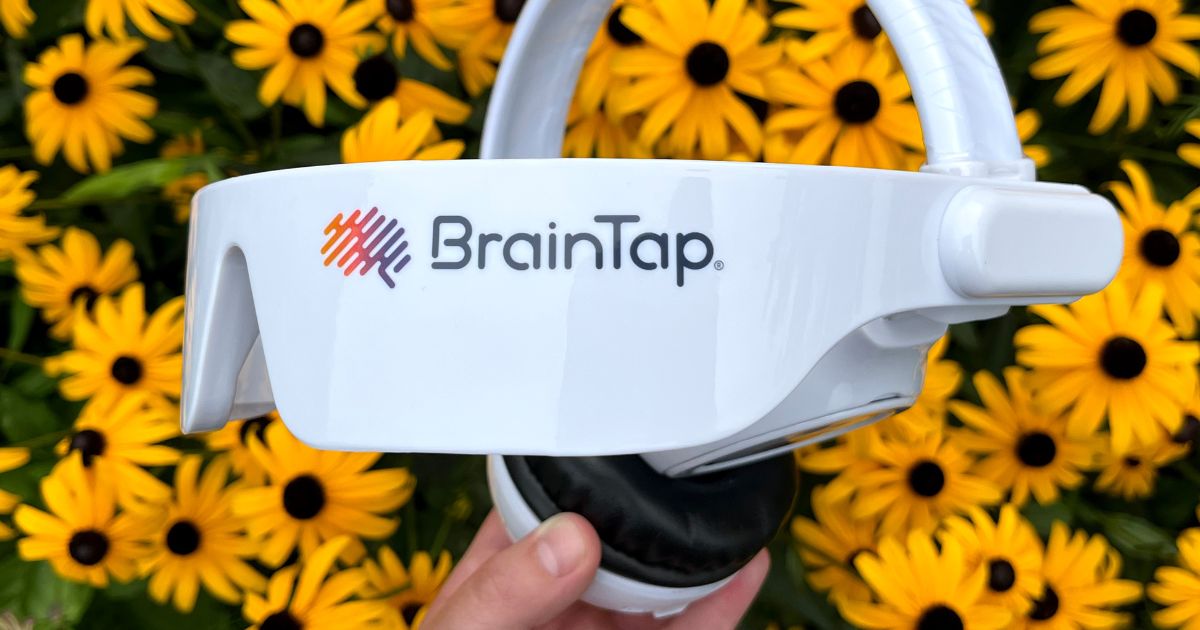
- Using calming tools like BrainTap
- Keeping a predictable wind down routine
A well rested brain handles holiday excitement far more smoothly.
5. Create a Calm Corner – Not a Time-Out Corner
A Calm Corner gives your child a supportive, shame-free place to regulate during moments of overwhelm. Instead of punishing dysregulation, we help the brain shift back into safety.
Your Calm Corner might include:
- BrainTap sessions
- HeartMath Inner Balance
- A weighted lap pad
- Fidgets and sensory tools
- Soft lighting or cozy blankets
When you use the Calm Corner yourself, your child learns that self regulation is a healthy and normal part of life.
6. Prepare for Transitions Like a Coach, Not a Referee
Transition difficulties are common in ADHD, and the holiday season brings many of them. Leaving a party, turning off screens, getting in the car, or cleaning up gifts can all be challenging.
You can support your child with:
- Two advance warnings (10 minutes and 2 minutes)
- A visual timer
- Clear, simple language
- Connection before redirection
When transitions feel safe, children behave better. It is not because they are trying harder, but because their nervous system is more regulated.
7. Consider Neurofeedback for Long-Term Regulation
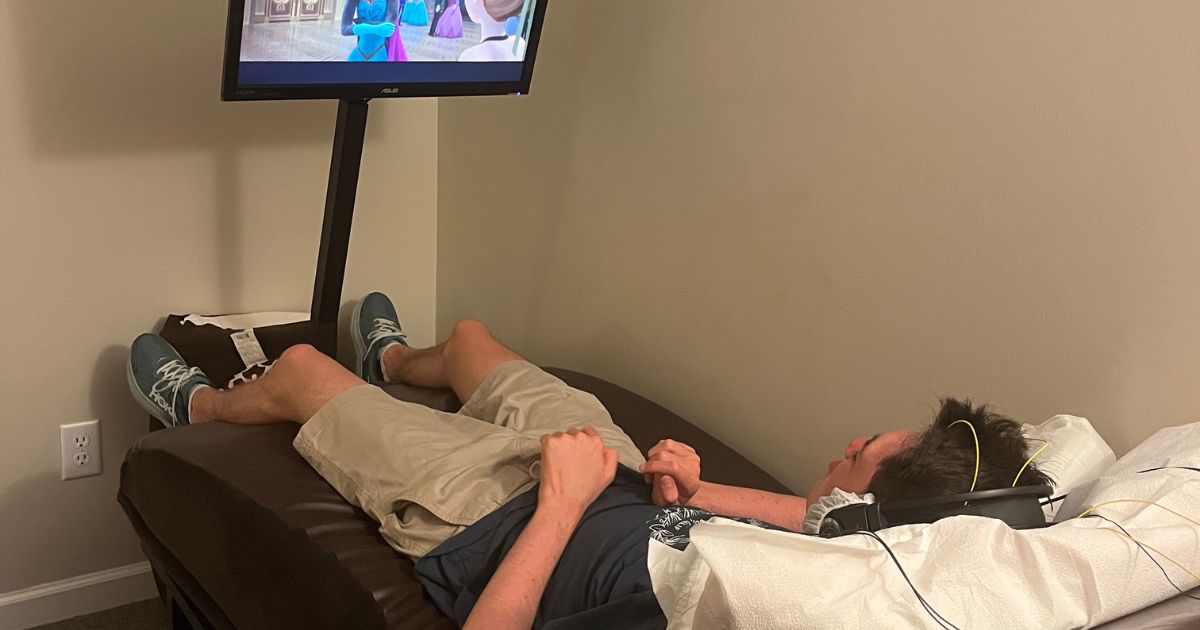
One of the most effective tools I use in my practice, especially during challenging seasons, is neurofeedback. Holiday stress can amplify ADHD symptoms, and neurofeedback helps the brain learn healthier, more regulated patterns.
Parents often notice improvements in:
- Emotional resilience
- Sleep quality
- Focus
- Stress tolerance
- Flexibility
- Impulse control
For children who struggle with holiday overstimulation or ongoing dysregulation, neurofeedback can offer the brain based support they need to feel calmer and more in control, not only in December but throughout the year.
8. Remember: Their Behavior Is Neurological, Not Personal
This is the heart of ADHD parenting. Your child isn’t trying to be difficult. Their brain is overwhelmed. When we remember this, we respond with empathy instead of frustration, and connection becomes the most effective tool we have.
9. Above All, Protect Connection
Your child won’t remember the perfect gifts or the most beautifully decorated house. They will remember how supported and safe they felt with you.
Try to make space each day for:
- Snuggling
- Reading together
- Shared laughter
- BrainTap quiet moments
- Deep breathing
- One on one time
Connection is what calms the ADHD brain more than anything else.
Final Thoughts
Parenting a child with ADHD during the holidays can feel like navigating a mix of excitement and overwhelm, but with brain based strategies, sensory support, neurofeedback, and compassion, your family can experience a calmer and more connected season.
You’re doing an incredible job, and your child is lucky to have you.
About the Author

Dr. Keri Chiappino, DC DACNB BCN
Dr. Keri Chiappino offers a unique, expanded approach to alternative healthcare. With the combination of neurological, orthopedic and chiropractic care, Dr. Chiappino works to restore normal nerve function to the body, promoting optimum health and wellness. Dr. Chiappino has distinguished herself as one of 1000 doctors worldwide achieving Diplomatic status on the American Chiropractic Neurological Board (ACNB), with more than 1000 hours in Chiropractic Neurological coursework. In addition to traditional Chiropractic and Chiropractic Neurological care, Dr. Chiappino also offers BrainCore neurofeedback therapy and our Smithtown office is an authorized BrainCore neurofeedback clinic in Smithtown, NY.
